

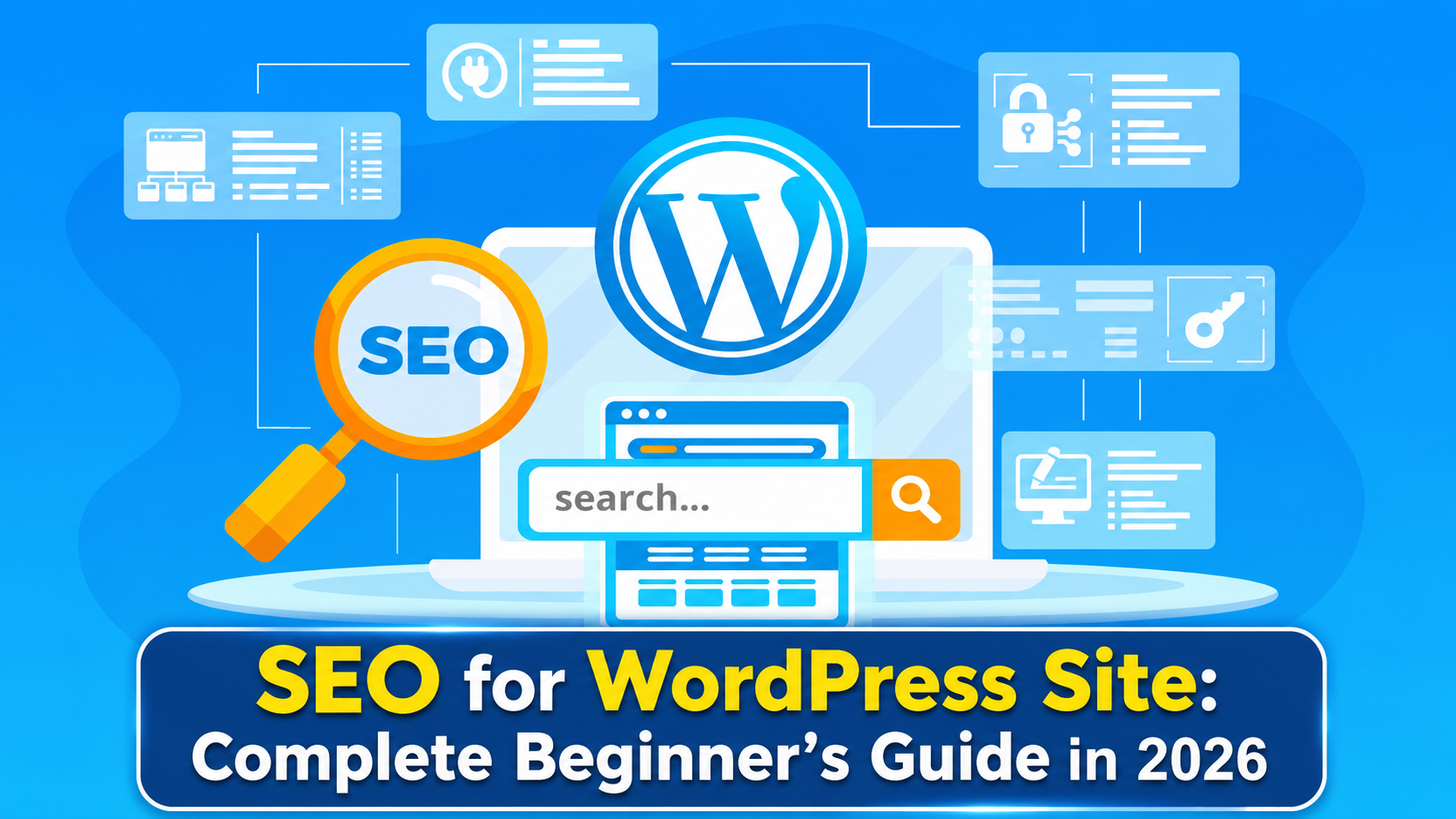
SEO Long Form is Search Engine Optimization. SEO is a process to improve Website Visibility and Organic Traffic. It is the practice of improving your website’s content, structure, and visibility to rank higher on search engines like Google , Bing, Yahoo and Other Search Engines.
At its core, SEO is about making your website easier for search engines like Google to understand. When done right, it improves visibility, builds trust, and drives organic (free) traffic.
Understanding what is SEO and how it works is essential for anyone who owns a website, runs a business, or creates online content.
What is SEO and How It Works
SEO mainly focused on strategies and techniques used to improve a website’s ranking on search engines. But how does it actually work?
Search engines like Google use bots (called crawlers) to scan websites. These bots analyze content, structure, and links to decide where your site should rank.
What is SEO Stand For
SEO involves optimizing:
- Content (keywords, readability, Search intent Alignment, content depth and quality, Structure and redability )
- Technical aspects (Website speed, mobile-friendliness, SSL Security)
- Website UI/UX Analysis (Design Layout, User experience Analysis)
- Authority (backlinks, trust signals)
In simple terms, SEO helps search engines understand your content so they can show it to the right people.
Importance of SEO in Digital Marketing
Search Engine Optimization plays a vital role in digital marketing because it helps businesses grow sustainably in an increasingly competitive online space. One of the biggest advantages of SEO is that it drives organic traffic to your website. Unlike paid ads, where you need to constantly invest money to get visitors, SEO helps you attract users naturally through search engines like Google. When your website ranks higher for relevant keywords, more people can discover your business without ongoing advertising costs.
Another key benefit of SEO is that it builds credibility and trust. Users tend to trust websites that appear on the first page of search results because they perceive them as more reliable and authoritative. By optimizing your content, improving website performance, and following best practices, you signal to both users and search engines that your website is valuable and trustworthy. Over time, this strengthens your brand reputation.
Additionally, SEO is cost-effective compared to paid advertising. Although it requires time, effort, and sometimes investment in tools or expertise, the return on investment is significantly higher in the long run. Businesses can achieve steady growth without depending entirely on ads.
Overall, SEO is not just an option but a necessity in digital marketing, as it helps businesses increase visibility, build trust, and achieve sustainable success online.
What is Google SEO?
When people ask what Google SEO is, they are referring to the process of optimizing a website specifically to rank higher on Google search results. Since Google dominates the global search market, most SEO strategies are designed around how its algorithm works. Google SEO focuses on improving your website so that it matches what users are searching for while also meeting Google’s quality standards. The goal is simple: increase visibility, drive organic traffic, and attract the right audience without relying on paid ads.
How Google SEO Works
Google SEO works through complex algorithms that evaluate and rank billions of web pages. These algorithms analyze multiple factors to determine which pages provide the best answer to a user’s query. The most important elements include relevance, quality of content, user experience, and authority. Relevance ensures your content matches the user’s search intent. Content quality looks at how helpful, original, and well-structured your information is. User experience includes factors like page speed, mobile-friendliness, and ease of navigation. Authority is measured through signals like backlinks and brand trust, indicating how credible your website is compared to others.
Google Ranking Factors Overview
To rank well on Google, you need to optimize for several key ranking factors. Keywords help search engines understand what your content is about and should be used naturally within your content. Backlinks act as votes of confidence from other websites, improving your domain authority. Page speed is critical because slow websites lead to poor user experience and higher bounce rates. Mobile usability is equally important, as most users now browse on mobile devices. Lastly, content quality remains the most powerful factor Google prioritizes content that is valuable, informative, and genuinely helpful to users.

Hi, this is a comment.
To get started with moderating, editing, and deleting comments, please visit the Comments screen in the dashboard.
Commenter avatars come from Gravatar.